
education kids reading things internet related
New technologies and the Web can foster interest in reading.
One study noted that 60% of the guys that are most read, use the PC for homework. This is reflected in a survey on cultural consumption of boys aged between 11 and 17, conducted by the Ministry of National Education, which indicated that those who use the PC to search for information read more books.
In numbers, the study said that 60% of those who reads three books a year, uses the computer to find information and do homework, while reading a book a year use the PC mainly to play.
In addition, some educational organizations use the Web to bring them to reading, such is the case of the Read Foundation, which implements a project based on Internet use in which the boys meet children's literature authors accessing Web pages where they have the opportunity to chat with them and create blogs to express their experiences as readers.
"The kids use these tools as a means of expression of his literary tastes, to recommend texts or to form affinity groups," says Dew Bressia Foundation. In this sense, the Internet brings them to the readings that they seek and that interest them.
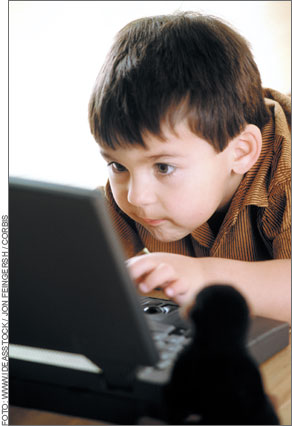
But is there any relationship between the use of the PC and the habit of reading? "There is a widespread idea that technologies cause effects on society and are to blame for the good and bad, and really do not. Technology and society have a mutual relationship. The kids do not read less because using Messenger. Read less because they do other things that they find most interesting, "said Fabio Tarasowa, coordinator of Education and New Technologies at FLACSO.

For Deborah Kozak, advisor to the Ministry of Education, there are a lot of myth about this. "The boys continue to be good readers. What is real is that they spend much more time in front of the computer, which is detrimental not only lack of time devoted to reading but also of other activities. Children read more from the PC to what they read in books, "he said.
However, it is not the same on a screen than a book. "On the Internet, the reader meets hypertext. It offers a non-sequential reading, a 'as user', because it is he who decides how far to go. The book, however, requires a sustained and orderly reading, "said Anabella Saks, Area Education Foundation Read.
Another thing that worries experts is the quality of texts that circulate on the Internet. The challenge, they say, goes through the children teach grounds of discrimination in relation to the use of sources and readings.
Source: Clarin.com
I hope you have interested
Adios!

No hay comentarios:
Publicar un comentario